
-
-
Trending searches: Internal gear pump | Double internal meshing gear pump | Gear pump manufacturer | Drilling and Tapping Center | Vertical hydraulic lathe
-
+86 13689586926
+86 13689586926
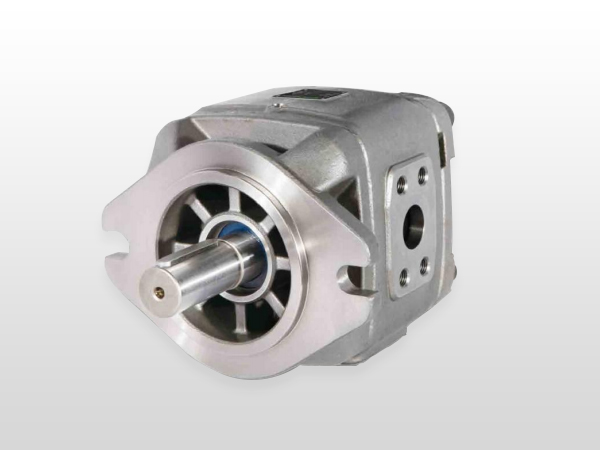
Internal gear pumps are a common type of hydraulic pump that offer several distinct advantages, while also requiring specific considerations during the selection process. Below is a detailed analysis of their benefits and selection guidelines:
Advantages of Internal Gear Pumps
Simple Structure and Easy Manufacturing: Internal gear pumps feature a relatively simple design, giving them an advantage in terms of manufacturing cost and complexity. The design typically consists of two main components: a pair of meshing gears and a housing that encloses them.
High-Pressure Output: Due to the meshing gear design, internal gear pumps are capable of operating in high-pressure environments. This characteristic makes them well-suited for applications that require high-pressure output.
Strong Self-Priming Capability: Another advantage of internal gear pumps is their excellent self-priming ability. This means that pre-filling the hydraulic system is not required before the pump starts operating.
Smooth Operation and Low Noise: Thanks to the precise meshing of the gears and proper lubrication, internal gear pumps generally operate smoothly and generate low noise levels.
High Reliability: The simple and durable design of internal gear pumps ensures that they maintain their performance and efficiency even after prolonged operation.
Compatibility with Various Fluids: Internal gear pumps are suitable for a wide range of fluids, including hydraulic oil, lubricating oil, and other non-corrosive liquids.
Considerations for Selecting an Internal Gear Pump
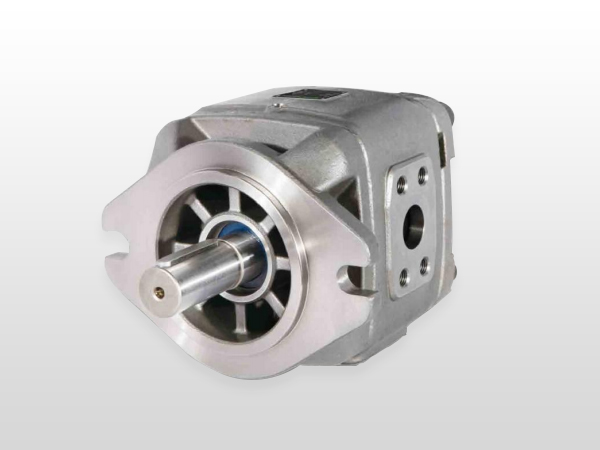
Application Requirements: The first factor to consider is the specific application requirements. This includes working pressure, flow rate requirements, environmental conditions (such as temperature and corrosiveness), and compatibility with the existing system.
Flow Rate and Pressure: Determine the required flow rate and pressure rating based on the application needs. The flow rate of internal gear pumps is typically measured in milliliters or liters per minute, while pressure is measured in bars (bar) or kilograms-force per square centimeter (kgf/cm²).
Pump Type: Choose the appropriate type of internal gear pump based on the specific application and requirements. For instance, certain types of pumps may be better suited for high-pressure or low-speed applications, while others may be more appropriate for high-speed or low-pressure applications.
Material Selection: The manufacturing materials of an internal gear pump significantly impact its performance and service life. Common materials include cast iron, aluminum alloy, and stainless steel. The appropriate material should be selected based on specific application requirements (such as corrosiveness and abrasiveness) and budget constraints.
Precision Requirements: For high-precision applications, it is necessary to select internal gear pumps manufactured with high-precision machining and assembly processes. This usually entails higher manufacturing costs and longer lead times.
Brand and Quality: Opting for well-known brands and high-quality internal gear pumps ensures superior performance and a longer service life. Additionally, considering the purchase of warranties or service contracts can help reduce long-term operational costs.
Maintenance and Care: Selecting internal gear pumps that are easy to maintain can reduce operational costs and improve equipment availability. It is advisable to choose pumps with easily accessible components, easily replaceable seals, and convenient level indicators.
Cost: Provided that the application requirements are met, the most cost-effective internal gear pump should be selected. This can be achieved by comparing prices, product quality, and other additional costs from different suppliers.
After-Sales Service and Support: Choosing a supplier that offers comprehensive after-sales service and support ensures that issues can be resolved promptly, thereby minimizing downtime.
Environmental and Social Responsibility: When selecting an internal gear pump, its environmental impact and alignment with the company's social responsibility goals should be considered. For example, one might opt for pumps made from sustainable materials or choose suppliers that comply with specific environmental protection standards.
Building 7, Jinba Technology Park, No. 2 Dongsheng Industrial Road, Fenggang Town, Dongguan City, Guangdong Province
Follow us

 Chinese
 English
 >
>