
-
-
Trending searches: Internal gear pump | Double internal meshing gear pump | Gear pump manufacturer | Drilling and Tapping Center | Vertical hydraulic lathe
-
+86 13689586926
+86 13689586926
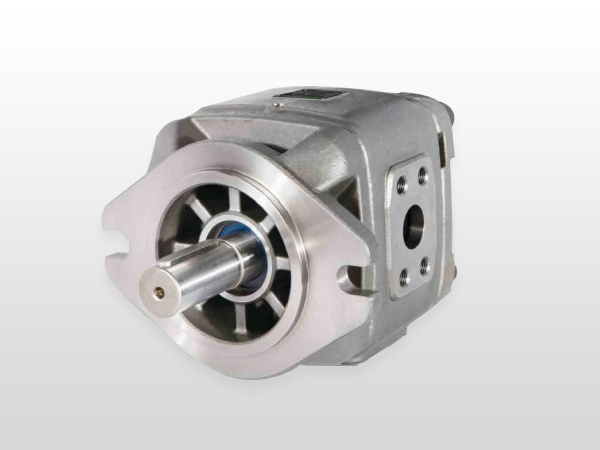
An internal gear pump is a common type of hydraulic pump widely used in various hydraulic systems. Below are the starting procedures and precautions for internal gear pumps:
I. Starting Procedures for Internal Gear Pumps
1. Inspect the Surrounding Environment
Before starting the internal gear pump, first inspect its surrounding environment to ensure there is no debris, dust, or oil stains that could affect its normal operation. Additionally, verify that the pump is correctly positioned, securely fastened, and free from any shaking or tilting.
2. Inspect the Connected Pipelines
Check whether the inlet and outlet pipelines are properly connected and whether the pipe diameter meets the pump's requirements. Ensure the pipelines are clear and free from blockages or air leaks. If there are filters in the pipelines, check their cleanliness and determine whether they need to be replaced.
3. Check the Lubrication Status
Internal gear pumps require regular lubrication. Therefore, before startup, check the lubrication status of the pump, including the gears and bearings. If insufficient lubrication is found, add lubricating oil promptly.
4. Open the Inlet and Outlet Valves
Before starting the internal gear pump, open the inlet and outlet valves to ensure the pump's interior is connected to the external system. If these valves are closed, it will cause excessive internal pressure, potentially damaging the pump's seals and other components.
5. Start the Motor
After completing the above preparations, start the motor of the internal gear pump. Observe the pump's operation, including the motor's direction of rotation, sound, and vibration. If any abnormalities are detected, stop the machine immediately for inspection.
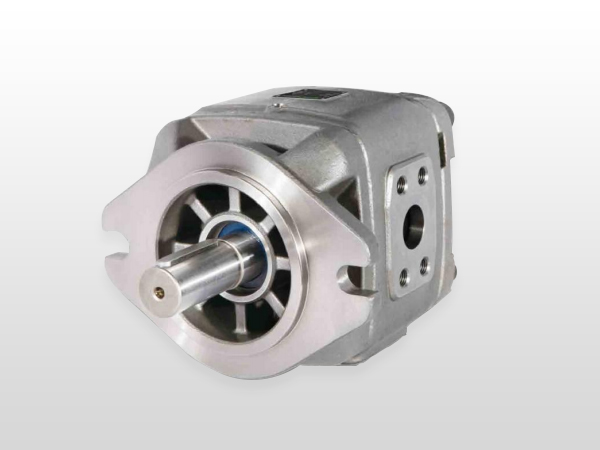
6. Adjust Flow and Pressure
Once the pump is running normally, adjust the flow and pressure according to actual needs. This is generally achieved by adjusting the opening of the inlet and outlet valves and the pump's rotational speed. Note that when adjusting flow and pressure, the increases should be gradual to avoid causing excessive shock to the pump.
II. Precautions During Startup of Internal Gear Pumps
1. Prevent Dry Running
Dry running an internal gear pump can accelerate the wear of internal components and even damage the pump. Therefore, before starting, ensure that both the inlet and outlet valves are fully open to prevent dry running.
2. Monitor Inlet and Outlet Pressure
After starting the internal gear pump, monitor any changes in the inlet and outlet pressure. If abnormal fluctuations occur, stop the machine immediately for inspection and troubleshooting.
3. Gradually Increase Flow and Pressure
When adjusting the flow and pressure, increase them gradually to avoid causing excessive shock to the pump. At the same time, continue to monitor the pump's operation. If abnormal noises, vibrations, or overheating occur, stop the machine immediately for inspection.
4. Perform Regular Maintenance
Internal gear pumps require regular maintenance, which includes changing lubricating oil, cleaning filters, and inspecting seals. Also, pay attention to the pump's exterior condition. If oil leaks or deformation are observed, repair or replace the components promptly.
5. Ensure Electrical Safety
Before starting the internal gear pump, verify that the power supply is safe and reliable, ensuring that parameters such as voltage and current meet the requirements. Additionally, prevent short circuits or overloads to avoid damaging the pump or causing safety accidents.
Conclusion
Correctly starting an internal gear pump and adhering to the relevant precautions are key to ensuring the normal operation of a hydraulic system. Through a brief introduction to the structure and working principles of internal gear pumps, as well as a detailed explanation of their startup procedures and precautions, users can better understand and utilize this common hydraulic component. We hope this information is helpful to you.
Building 7, Jinba Technology Park, No. 2 Dongsheng Industrial Road, Fenggang Town, Dongguan City, Guangdong Province
Follow us

 Chinese
 English
 >
>