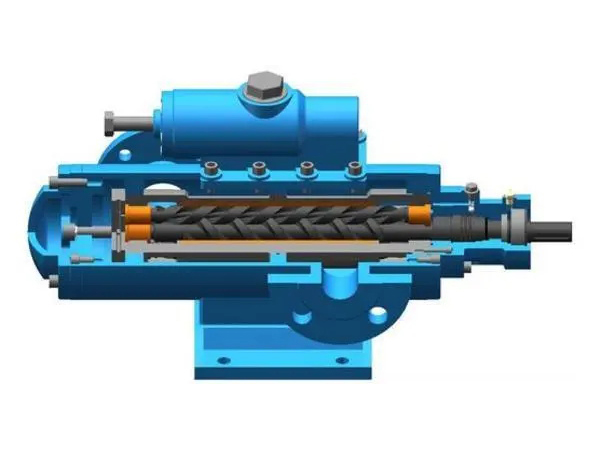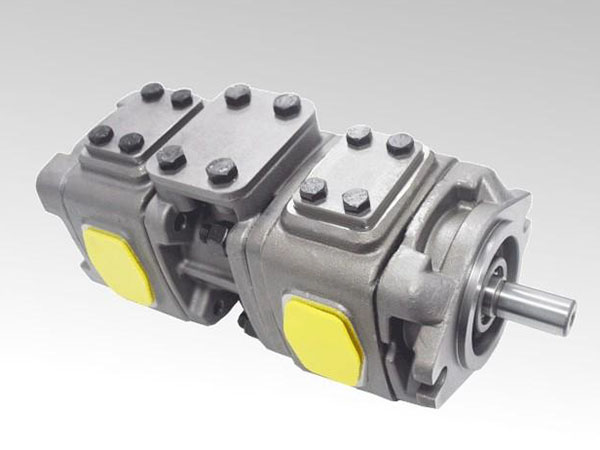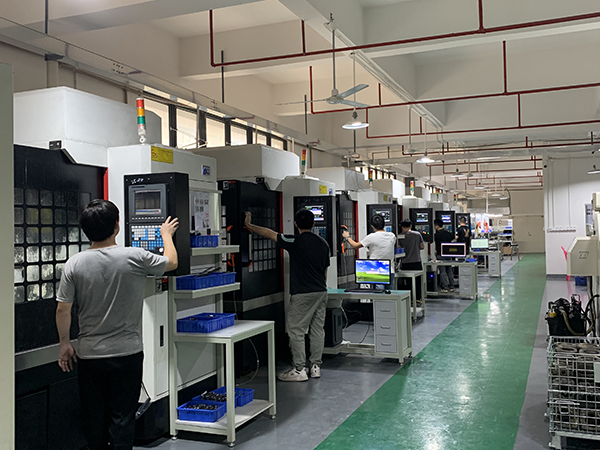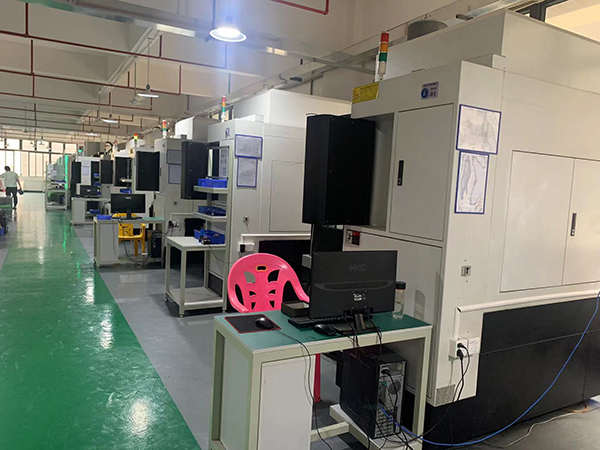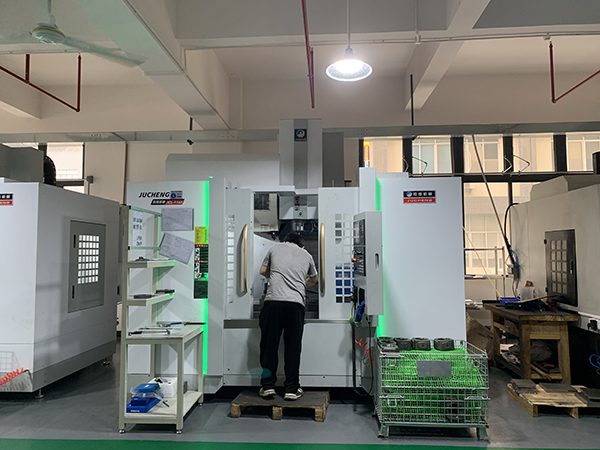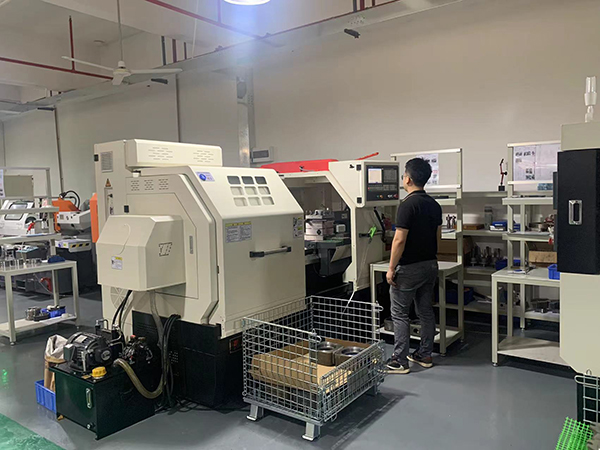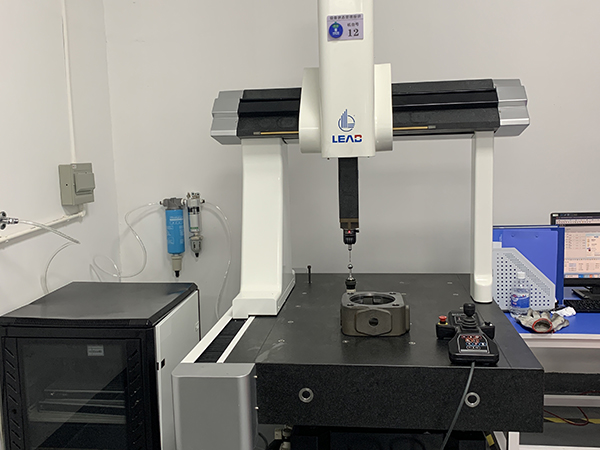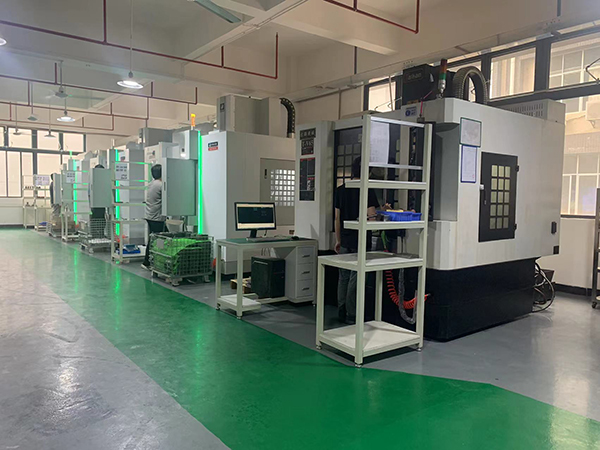
The HG duplex pump is a common industrial pump whose manufacturing process involves multiple steps and components. Below is a detailed explanation of the manufacturing process and applications of HG duplex pumps:
Manufacturing Process
High-viscosity pumps are positive displacement pumps that utilize specialized working principles in conjunction with high-quality drive systems. These rotor pumps are capable of delivering strong driving torque at low speeds, ensuring continuous, pulse-free material transfer without compromising the physical properties of the conveyed materials.
Our company manufactures high-viscosity rotor pumps in several series, including NYP, NCB, LCX, RXB, and 3-2RP. All of these series are capable of transporting high-viscosity materials.
NYP Internal Gear High-Viscosity Pump: This is a newly developed positive displacement pump designed to meet the needs of industries such as petroleum, chemical, and coatings.
The selection of G-type single screw pumps mainly focuses on the following parameters:
Pressure Determination for G-Type Single Screw Pumps:
The output pressure of a single screw pump is determined by the number of stator stages (i.e., the number of leads of the stator):
Stainless steel gear pumps are rotary pumps that rely on the continuous change and movement of the working volume formed between the pump casing and the meshing gears to convey liquids or increase their pressure. The pump body and the front and rear covers, together with two gears, form two sealed chambers. When the gears rotate, the volume of the chamber on the disengaging side increases, creating a vacuum that draws the liquid in.
Here are the current development trends in the application of magnetic pumps across various industrial processes:
(1) Applications in High-Temperature Media Processes
The current rare-earth magnetic material, Sm2Co17, has achieved a temperature resistance of up to 350°C.
Gear oil pumps are widely used in mechanical systems within the petroleum, chemical, marine, and petrochemical machinery industries. Their primary advantages include a simple structure, compact size, lightweight design, excellent self-priming performance, high tolerance to contamination, reliable operation, long service life, ease of manufacturing and maintenance, and low cost. In summary, they are easy to manufacture, user-friendly, simple to maintain, and cost-effective.
I. Definition
A self-priming pump is a centrifugal pump capable of automatically drawing up water without requiring the suction pipeline to be initially filled with water.
II. Working Principle
Self-priming pumps come in various structural types.